And that is just what Honda has made strides to do in their recent #Pintermission campaign in which they paired Pinterest with the launch of their new CR-V.
 Choosing Pinterest no doubt for their overlapping demographic of young, active families, Honda developed a simple, Pinteresque ad to drum up awareness of the campaign. They then chose Pinterest users with high follower counts and challenged them to take a 24-hour "Pintermission" to test-drive a CR-V. By setting up individual brand boards as well as group boards, test-drivers were able to participate and contribute to the campaign through brand-granted permission.
In an article from MarketingMag.com, it was expected that Honda received 4.6 million impressions just on Pinterest. The campaign also accrued 5,000 pins and 2,000 likes. And all this isn't including spillover into other networks.
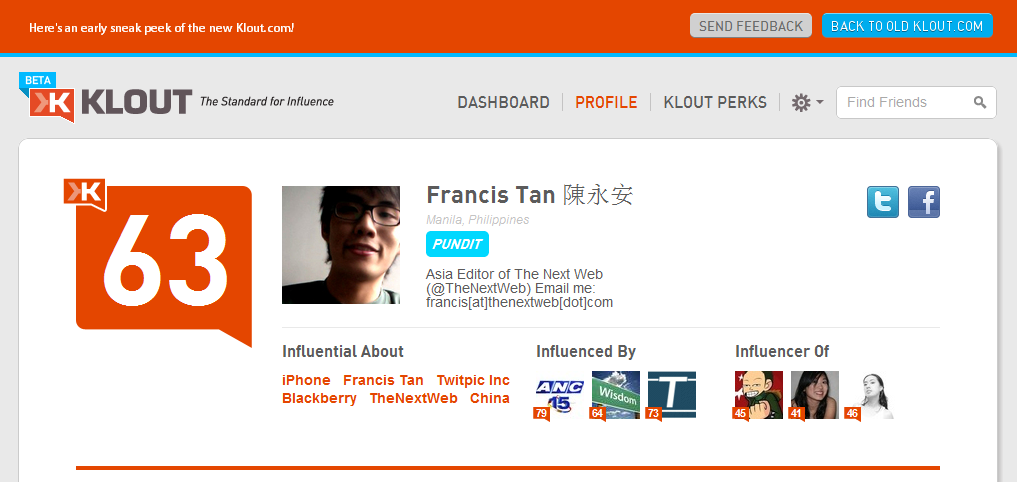
It's important to point out, not only Honda's creative use of Pinterest, but an all-network-wide trend of identifying and marketing to influential users. This is shortly after General Motors Canada, along with French-comm company Orange, paired up with Klout to do exactly the same thing.
No longer are businesses merely pairing up with networks, but the power-players within them. It will be interesting to see how much leverage this gives social-media-aficionados in the future and what degree of an active role they will playing in our marketing schemes--because right now, it appears to be big.
 Choosing Pinterest no doubt for their overlapping demographic of young, active families, Honda developed a simple, Pinteresque ad to drum up awareness of the campaign. They then chose Pinterest users with high follower counts and challenged them to take a 24-hour "Pintermission" to test-drive a CR-V. By setting up individual brand boards as well as group boards, test-drivers were able to participate and contribute to the campaign through brand-granted permission.
In an article from MarketingMag.com, it was expected that Honda received 4.6 million impressions just on Pinterest. The campaign also accrued 5,000 pins and 2,000 likes. And all this isn't including spillover into other networks.
It's important to point out, not only Honda's creative use of Pinterest, but an all-network-wide trend of identifying and marketing to influential users. This is shortly after General Motors Canada, along with French-comm company Orange, paired up with Klout to do exactly the same thing.
No longer are businesses merely pairing up with networks, but the power-players within them. It will be interesting to see how much leverage this gives social-media-aficionados in the future and what degree of an active role they will playing in our marketing schemes--because right now, it appears to be big.